
Istanbul's headline sights sit within ten minutes of each other. That's the good news. The less obvious news is that prayer times, closing days and the water decide far more of your day than the map does.
- What shapes the day
- Prayer times, closing days and the ferries - more than distance
- Closing days
- Topkapı on Tuesday, Dolmabahçe on Monday, the Grand Bazaar on Sunday
- Book ahead
- Hagia Sophia, Topkapı Palace, Dolmabahçe Palace, Basilica Cistern, Galata Tower
- Realistic pace
- 3 to 4 substantial stops a day; Topkapı alone takes over 2 hours
The most famous things to do in Istanbul - Hagia Sophia, the Blue Mosque, the Basilica Cistern, Topkapı Palace - sit within ten minutes' walk of each other in Sultanahmet. That's the good news. The less obvious news is that being close together doesn't make them fit into one day, and that the city has three rhythms of its own that decide far more of your plans than the map does.
Beyond Sultanahmet, Istanbul keeps going for a long way: the bazaars and the great mosque on the next hill, Galata and Beyoğlu across the Golden Horn, the palaces along the Bosphorus, and an entire second continent a twenty-minute ferry ride away. Most first visits see the first area properly and the rest in glimpses.
Everything below comes from MEVAYA's curated Istanbul data, the same stops, visit durations and closure rules the planner builds routes from. A realistic day holds 3 to 4 substantial stops.
Three things that shape every Istanbul day
Prayer times. Hagia Sophia, the Blue Mosque and the Süleymaniye are working mosques. They close to visitors during each of the five daily prayers, for about half an hour at a time, and Hagia Sophia closes for around two and a half hours at Friday noon prayer. A plan that ignores this will stand in a courtyard waiting. Dress for a mosque: shoulders and knees covered, women's hair covered, and shoes come off at the door.
Closing days. Topkapı Palace is closed on Tuesdays, Dolmabahçe Palace on Mondays, and the Grand Bazaar on Sundays - three different days for three of the biggest sights. The Grand Bazaar also closes for several days during each of the two Eid holidays.
The water. The ferries aren't only transport; they're one of the best things to do in the city. A public commuter ferry costs about the same as a metro ride and gives you the skyline that the expensive cruises sell.
Sultanahmet: the headline sights, closer than they fit
Sultanahmet Square and the Hippodrome. The old Roman chariot-racing ground, now a long open square with an Egyptian obelisk in the middle and the two great mosques at either end. Free, always open, and the right place to get your bearings before anything else. About 35 minutes.
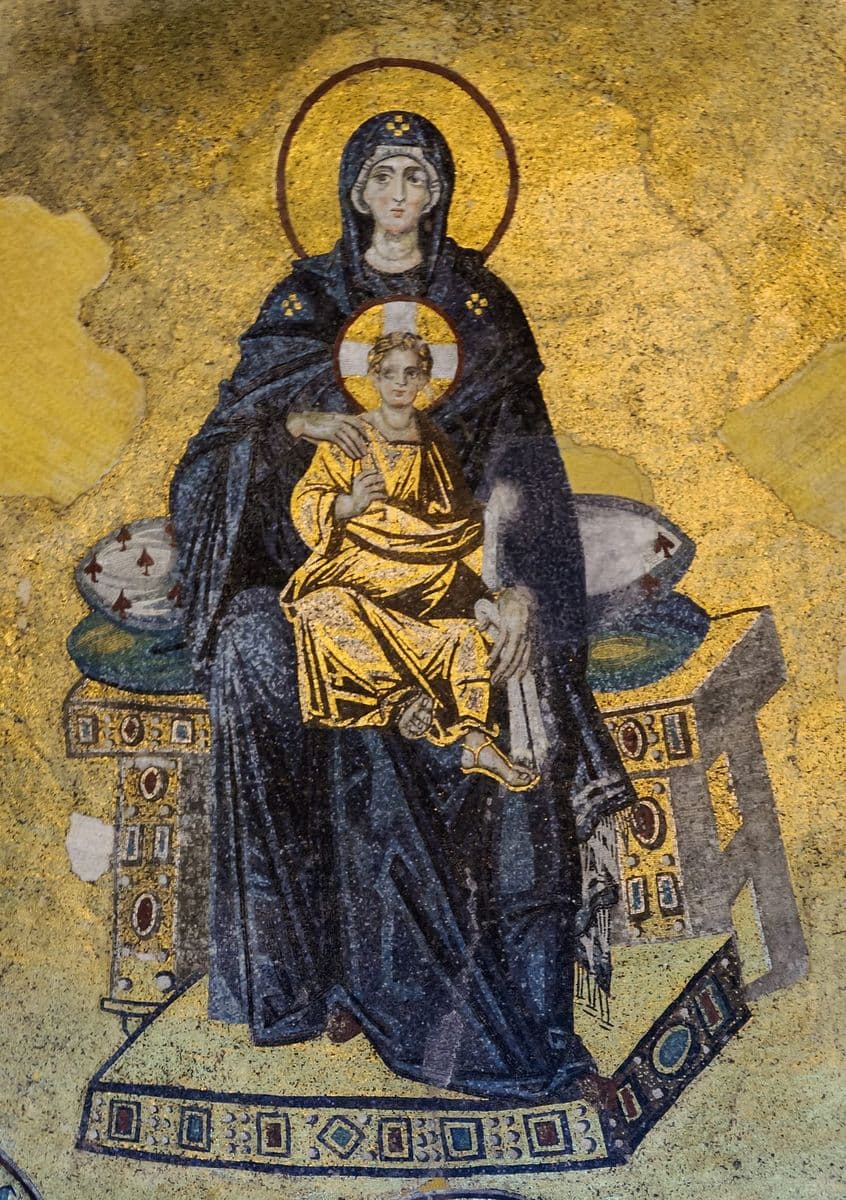
Hagia Sophia. A cathedral for 900 years, a mosque for 500, a museum for 80, and a mosque again since 2020. Nothing else carries that much layered history in one room. Visitors use a separate ticketed route to the upper gallery. Book ahead, about 80 minutes, and plan around prayer times.
Blue Mosque. Six minarets and more than 20,000 İznik tiles inside, which is where the name comes from. An active mosque, free to enter outside prayer times. About 45 minutes.
Basilica Cistern. A sixth-century underground reservoir held up by 336 columns, two of them resting on Medusa heads. Cool, dark and completely unlike anything above ground. Open until 22:00, which makes it one of the few major sights that works in the evening. Book ahead, about 45 minutes.
Topkapı Palace. The Ottoman court for four centuries: courtyards, the treasury, and the Harem, ticketed separately and the part most people say was worth it. Closed Tuesdays. Budget more time than you think - about 2 hours 10 minutes, more with the Harem.
Istanbul Archaeology Museums. Three buildings inside the Topkapı grounds with the Alexander Sarcophagus and the Treaty of Kadesh. They sit beside the busiest sight in the country and are reliably half-empty. About 1.5 hours.
The arithmetic matters here: Topkapı, Hagia Sophia, the Cistern and the Blue Mosque add up to over five hours of visiting before any queue or prayer closure. Two days in Sultanahmet is not a failure of ambition. Gülhane Park, the old outer garden of Topkapı running down to the water, is the obvious break in between; Little Hagia Sophia, ten minutes' walk away, is the calm that the real one can no longer offer.
The bazaars and the Süleymaniye
Grand Bazaar. Four thousand shops under one roof since 1461, and one of the oldest covered markets on earth. Worth seeing once for the architecture and the scale. Closed Sundays. About 80 minutes.
Walk downhill from its gates along Mahmutpaşa, the street where Istanbul actually shops - textiles, wholesale, no pressure and no tourist markup - to the Spice Bazaar, which is smaller, brighter and more focused: spices, dried fruit, lokum, tea. At the bottom, the fish-sandwich boats at Eminönü are the classic Istanbul lunch.
Süleymaniye Mosque. Mimar Sinan's masterpiece on the third hill, with a terrace over the Golden Horn. Bigger, calmer and, for many visitors, more moving than the Blue Mosque. Free outside prayer times, about 55 minutes.
Across the Galata Bridge: Karaköy, Galata and Beyoğlu
Galata Tower. A 14th-century Genoese watchtower with a 360° balcony over the city. The view is the best in Istanbul; the queue for the lift can be brutal. Book ahead, about 55 minutes.
İstiklal Caddesi runs three kilometres from Taksim down to Galata with a historic red tram in the middle - shops on the street, the real bars and restaurants in the side alleys. Below it, the steep lanes of Çukurcuma are full of antique dealers, and Orhan Pamuk set his Museum of Innocence here. Down on the water, Istanbul Modern, in Renzo Piano's building, has Turkish modern art and a terrace over the Bosphorus (closed Mondays). Karaköy Güllüoğlu, nearby, is where many people have their first proper baklava.
Along the Bosphorus
Dolmabahçe Palace. The 19th-century answer to Topkapı: fourteen tonnes of gold in the ceilings, the world's largest Bohemian crystal chandelier, and the room where Atatürk died. Guided groups only, at fixed intervals; closed Mondays and on 10 November. Book ahead, about 1 hour 50 minutes.
Further up the shore, Ortaköy has a small baroque mosque right on the water with the Bosphorus Bridge arcing overhead - one of the defining images of the city - and a square famous for kumpir, the loaded baked potato. Emirgan Park, further still, is a hillside park famous for its tulips in April, with three Ottoman pavilions turned into cafés. Inland from Dolmabahçe, the Ihlamur Pavilion is a small rococo retreat of the sultans behind high walls (closed Mondays and Thursdays), ten minutes' walk from the upmarket shopping of Nişantaşı.
The Asian side
Take the public ferry to Kadıköy: about 50 minutes including the crossing, with tea, seagulls and people actually going home. Kadıköy's market streets are where the Asian side buys its food, and the Moda seafront, a long grassy waterfront with tea gardens and the European skyline across the water, is where Istanbulites spend their weekends. There are no monuments here, which is precisely the point.
Along the Golden Horn: Balat, Fener and Chora
Balat and Fener, the old Jewish and Greek quarters, are steep lanes of painted houses, antique shops and cafés - the most photographed non-monument in the city, and still largely residential. Out by the land walls, Chora holds some of the finest Byzantine mosaics and frescoes anywhere; it has reopened as a mosque after a long closure, so confirm current visiting arrangements before you route a day around it. Along the water, the Rahmi M. Koç Museum fills a restored foundry with submarines, aircraft and steam engines (closed Mondays).
If you only choose one of each
One palace: Topkapı if you want the Ottoman empire at its height, Dolmabahçe if you want its opulent, European-leaning end. One mosque: the Blue Mosque is the famous one, the Süleymaniye the one most people remember. One bazaar: the Grand Bazaar for scale, the Spice Bazaar for colour and smell. One view: Galata Tower for the classic panorama, the Süleymaniye terrace for the free one.
Istanbul with children
The Rahmi M. Koç Museum is the clear winner - submarines and aircraft you can get close to - and it's genuinely good for adults too. Miniatürk, scale models of Turkey's landmarks on the Golden Horn, is aimed squarely at children and unapologetic about it. Gülhane Park, the Moda seafront and any ferry crossing fill the gaps, and the Basilica Cistern tends to impress older children more than the grander sights.
Turning this into an actual day
This page shows what Istanbul holds; it doesn't sequence it. MEVAYA's Istanbul in One Day and Istanbul in Two Days guides show what the planner does with these stops - real arrival times, real visit durations, and a route that works around prayer times and closing days instead of into them.
Quick questions
What are the best things to do in Istanbul for a first-time visitor?
For most first trips: Hagia Sophia, the Blue Mosque, the Basilica Cistern and Topkapı Palace in Sultanahmet; the Grand Bazaar, the Spice Bazaar and the Süleymaniye Mosque; Galata Tower; and a public ferry across the Bosphorus to Kadıköy. That is two to three days at a realistic pace.
How many days do you need in Istanbul?
Three days lets a first-time visitor see Sultanahmet properly, the bazaars and Galata, and one Bosphorus or Asian-side day. Two days covers the headline sights at a brisk pace. One day is enough for Sultanahmet and little else.
When are Istanbul's mosques closed to visitors?
Working mosques such as Hagia Sophia, the Blue Mosque and the Süleymaniye close to visitors during each of the five daily prayers, typically for about half an hour. Hagia Sophia also closes for around two and a half hours at Friday noon prayer.
Which Istanbul sights are closed on which days?
Topkapı Palace is closed on Tuesdays, Dolmabahçe Palace on Mondays and the Grand Bazaar on Sundays. Istanbul Modern and the Rahmi M. Koç Museum are also closed on Mondays, and the Grand Bazaar closes for several days during each Eid holiday.