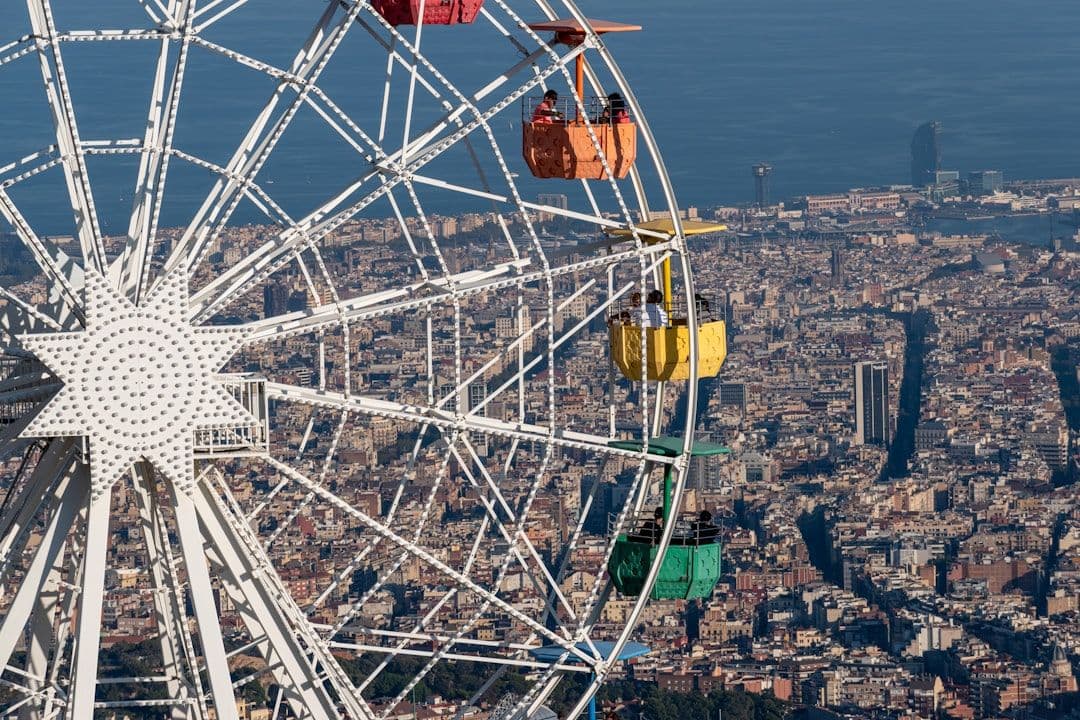
Barcelona city view

Barcelona

Gaudí, grid, and the sea at the end of the street

Spain · 43 stops · Metro / bus / tram

What Barcelona is actually like

Barcelona is two cities stitched together: the tangled medieval Gothic Quarter and Cerdà's ruler-straight Eixample, with the Mediterranean closing off one side. The Gaudí sites sell out days ahead and the hills above the city hold the best views — both reward planning around them rather than hoping for the best.

Modernista landmarksBarrio wanderingBeach within reach
Plan a day in Barcelona

The 3 top stops

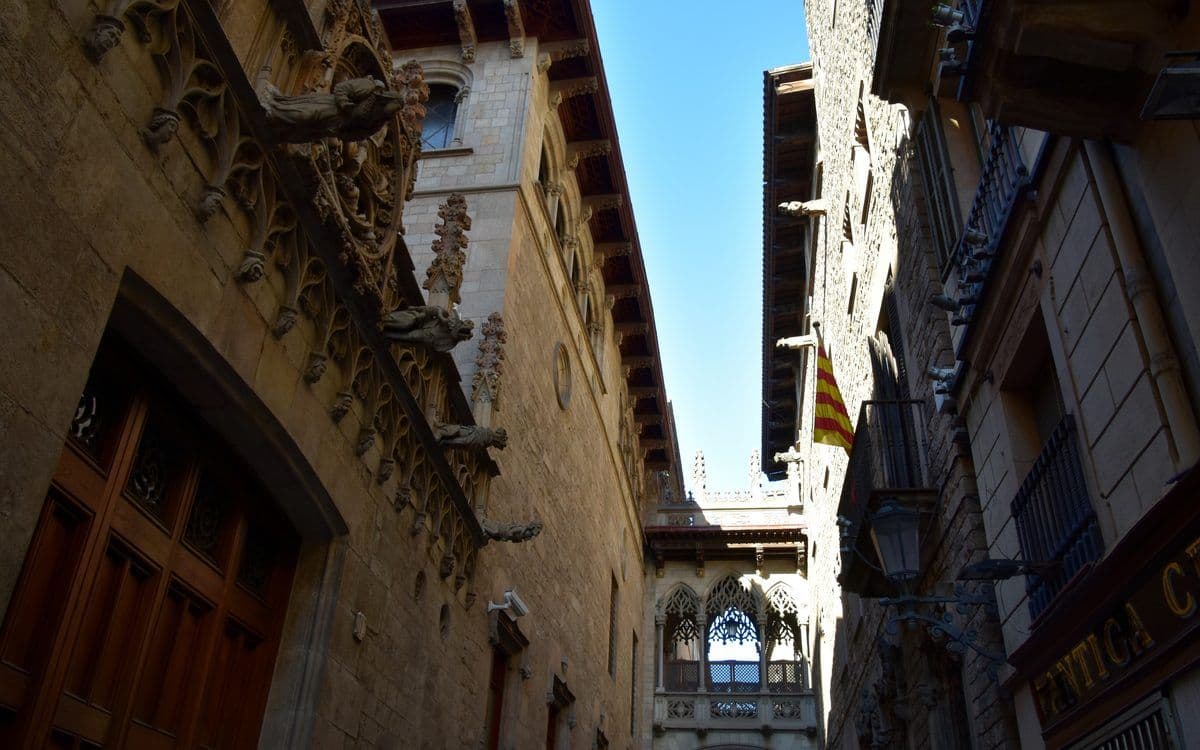
Gothic Quarter (Barri Gòtic)

The medieval core — narrow lanes, hidden squares, Roman wall fragments and the cathedral. Free to wander at any hour, and the right way to start before ticketed sights open.

70 min· Free

Public open-air space — accessible at any time, no ticket

Sagrada Família

Gaudí's unfinished basilica and the most visited attraction in Spain. The interior light through the stained glass is what photographs never convey. In 2026 it became the world's tallest church.

100 minBOOK AHEAD

Daily 09:00–18:00 (varies seasonally, sometimes to 20:00 in summer)

♿ Accessibility: Wheelchair accessible via a ramped entrance on Carrer de la Marina; the interior is flat. The towers are not accessible by wheelchair.

Casa Batlló

The most theatrical of Gaudí's houses — bone-like balconies, a scaled roof, no straight line anywhere. Expensive inside; the façade from the pavement is free and genuinely impressive.

70 minBOOK AHEAD

Daily 09:00–18:30

♿ Accessibility: Wheelchair accessible via a dedicated lift to all floors including the rooftop terrace; the lift isn't large enough for very large wheelchairs.

Before you go

Currency
Euro (€). Cards work almost everywhere; American Express often doesn't. Apple and Google Pay widely accepted.
Emergency
112 for everything · 088 for the Catalan police (Mossos d'Esquadra). English understood on both.
Time zone
CET / CEST (UTC+1, +2 in summer).
Power
Type C/F sockets, 230V. UK and US visitors need an adapter.
Language
Catalan and Spanish, both official. Catalan is its own language, not a dialect — greeting someone with "Bon dia" genuinely lands well.
Getting around
T-Casual card: 10 journeys, roughly €12, valid on metro, bus and tram. Singles cost around €2.65, so it pays for itself immediately. One card cannot be shared between people.
Airport transfer
The R2 Nord train is the fastest and cheapest rail option — 20-25 minutes to Passeig de Gràcia or Sants, around €4.90 — but it only departs from Terminal 2; landing at Terminal 1 means a free shuttle bus over to T2 first. The Aerobús runs from both terminals directly to Plaça de Catalunya in about 35 minutes for €7.75, 24/7, which is the simpler choice if you land at T1 and don't want the extra shuttle step.
Tipping
Not obligatory. Around 5% for good service, or round up.
Meal times
Lunch 13:30–16:00 , dinner rarely before 21:00 . This planner schedules accordingly. A restaurant full at 19:30 is full of tourists.
Siesta
Many smaller shops close roughly 14:00–17:00. Big stores, malls and central chains stay open through.
Sundays
Unlike Germany, central Barcelona is a designated tourist zone — most large shops and malls do open. Small neighbourhood shops usually don't. Markets mostly close.
Tap water
Safe to drink, but heavily mineralised and not pleasant. Most locals buy bottled.
Museum Mondays
Many museums — Picasso and MACBA included — close on Mondays . If Monday is one of your days, front-load the outdoor sights instead.

And the quieter ones

The stops that rarely make a top-ten list but consistently make a better day.

  • Palau de la Música Catalana

    A modernista concert hall with an inverted stained-glass dome pouring light into the auditorium. Guided tours only, small groups — the most consistently underrated interior in Barcelona.

  • Santa Maria del Mar

    A Catalan Gothic church built by the port workers of the medieval city, famously plain and famously perfect. Free outside guided-tour hours.

  • Montjuïc & the Castle

    The hill above the port, holding a fortress, botanical gardens, the Olympic ring and sweeping sea views. A half-day in itself and the least crowded major sight in the city.

  • MACBA — Contemporary Art

    Richard Meier's white cube in El Raval, holding contemporary art — and famous almost as much for the skateboarders who have colonised the plaza outside for thirty years. Both are worth watching.

There are 36 more curated stops in Barcelona.

We don't list them all here — it would read like a phone book. Open the planner and use the stop dropdown to browse every one of the 43 stops with its full detail: hours, closed days, typical visit length, booking lead time and what to know before you go. Mark any of them essential and the route builds around your choice.

Browse all 43 stops

A day MEVAYA would actually plan

One example, for Saturday, October 3

This is genuine planner output — a couple, a balanced pace, fixed defaults — not a hand-written itinerary. Your own dates, pace and interests will produce a different day.

Free to view · no account needed
  1. 1

    09:00

    Santa Maria del Mar

    39 min

  2. 2

    09:52

    Gothic Quarter (Barri Gòtic)

    81 min

  3. 3

    11:21

    Barcelona Cathedral

    52 min

  4. 4

    12:21

    MUHBA — Barcelona History Museum

    90 min

  5. M

    14:01

    Fa Patxoca

    60 min

  6. 6

    15:19

    La Rambla

    35 min

  7. 7

    16:13

    MACBA — Contemporary Art

    78 min

Interactive map · OpenStreetMap · stop order

Score 97/100 · 7 stops · built from the city guide — pick your own date and this changes.

Plan your own dates

What to book before you fly

The stops where turning up on the day genuinely doesn't work.

  • Sagrada Família

    4–6 weeks (winter: 2–3)

    Spain's most visited attraction, with a hard daily capacity cap and timed entry. Tower access is a separate add-on most people discover only once the slots are gone.

  • Park Güell (Monumental Zone)

    2–4 weeks

    Most of the park is free, but the mosaic terrace and dragon staircase sit inside a ticketed zone with a strict daily limit.

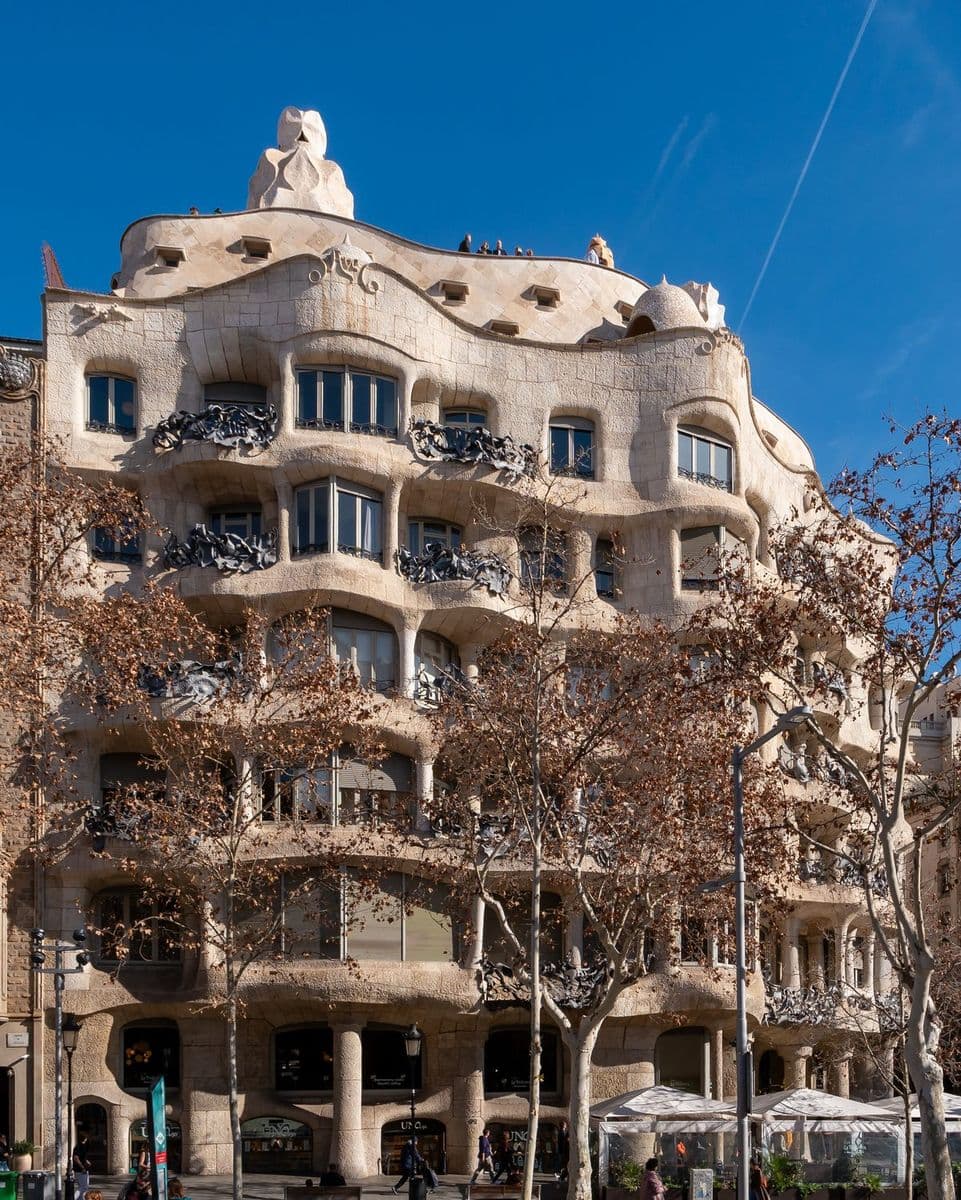
  • Casa Batlló / Casa Milà

    1–2 weeks

    Timed entry. Casa Batlló is notably expensive — decide in advance whether you want the interior or just the façade.

  • Palau de la Música

    1–2 weeks

    Guided tours only, small groups, and one of the most underrated interiors in the city.

Worth knowing on the ground

The things that catch people out in Barcelona specifically.

The pickpocket reality — read this one

Barcelona has one of the highest pickpocketing rates in Europe, and La Rambla is regularly named the single most-pickpocketed street on the continent . Violent crime against visitors is genuinely rare; theft is not. Wear a crossbody bag with the zip against your body. Never put a phone in a back pocket or leave one on an outdoor restaurant table — grab-and-run from terraces in the Gothic Quarter and El Born happens daily. On the metro, keep bags in front of you, especially between Plaça de Catalunya and Drassanes.

Two warning colours, two meanings

Rip-off — you're being overcharged or worked. Overrated — nobody is cheating you, but the reality regularly disappoints.

Toilets: where not to pay

Free and reliable: El Corte Inglés department stores (several around Plaça de Catalunya, in very good condition), any museum or attraction you've paid to enter — generally the cleanest in the city — and the Barceloneta beachfront , which has public toilets and showers maintained through the season. Parks like Ciutadella have toilets during opening hours only. Cafés expect a purchase first.

Barcelona: common questions

Answered from our own September 2026 verification pass, not scraped from listings.

How far ahead should you book Sagrada Família?

A week or more in high season, and there is no ticket desk at all — every ticket is sold online. Turning up hoping to buy on the day does not work here. The same applies in a milder form to Park Güell's Monumental Zone and Casa Batlló.

Can you tour Camp Nou in 2026?

Not the classic version. The stadium is mid-reconstruction into a 105,000-seat ground, and through 2026 the old 'Camp Nou Experience' with pitch and dressing-room access is suspended. What runs instead is an immersive tour: the museum, a 360° show and a viewpoint over the construction. Worth knowing before you book expecting to walk on the grass.

Is Tibidabo open every day?

No, and this is the single most common Barcelona planning mistake. From September through June the amusement park runs weekends and scattered public holidays only; in summer it shifts to Wednesday–Sunday. The separate Panoramic Area — funicular and viewpoint, no rides — is open daily most of the year if you only want the view.

When do the Bunkers del Carmel close?

Earlier than you would expect. A curfew introduced after complaints about all-night parties now gates access at 19:30 in summer and 17:30 in winter, which is before actual sunset for much of the year. The golden-hour view is reliable; the after-dark one is no longer available.

Is the Parc del Laberint maze open?

The park is open, the maze itself is not. The hedge labyrinth that gives the park its name is closed for restoration until early 2027, though the surrounding gardens and palace grounds remain open with a 750-visitor daily cap. Card payment only at the gate.

Ready when you are

Turn Barcelona into a day that actually works.

Pick your date, pace and companions. MEVAYA sequences the stops around real opening hours, closed days and walking distances — buy your City Pass for full access.

Plan Barcelona