- Currency
- Turkish lira (TL). Never change money on the street — use a bank, an official exchange office with displayed rates, or an ATM. Cards are widely accepted; small stalls are cash.
- Emergency
- 112 covers police, fire and ambulance. There is also a dedicated tourism police around Sultanahmet, open 24/7.
- Time zone
- TRT (UTC+3) — two hours ahead of Germany, no daylight saving.
- Power
- Type C/F sockets, 230V — same as most of Europe, no adapter needed for German plugs.
- Language
- Turkish. English is common in Sultanahmet, Beyoğlu and Kadıköy, thinner elsewhere. A translation app earns its keep here.
- Getting around
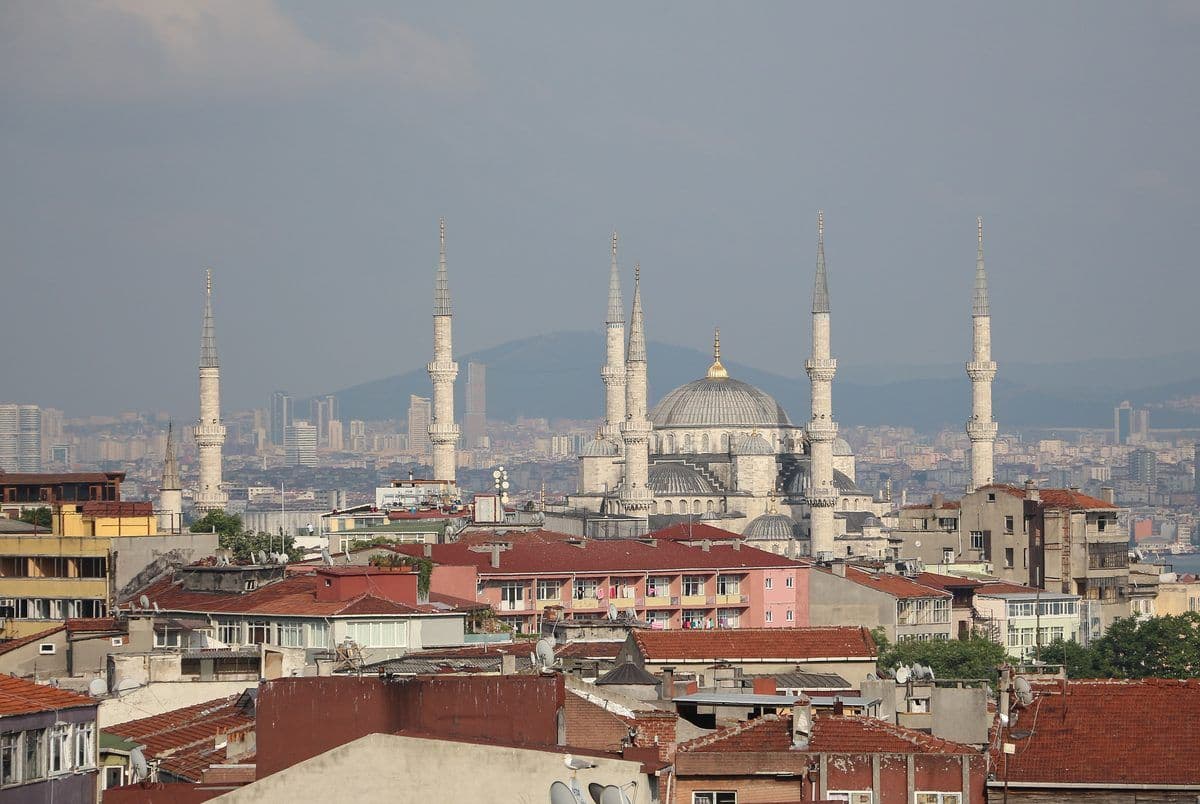
- Buy an İstanbulkart at any airport or metro station — it works on metro, tram, bus, funicular and the ferries, and is far cheaper than single tickets. It can be shared between travellers. For the historic sights specifically, the T1 tram is the one to know — it runs straight through Sultanahmet and is the most direct way between the major mosques and Topkapı without a metro transfer. Sultanahmet, Beşiktaş and Eminönü sit close enough to each other to walk between on a clear day. And don't treat the ferries as purely functional: crossing between the European and Asian sides by boat is one of the better views in the city, not just a way to avoid traffic.
- Airport transfer
- This is the one genuinely complicated airport connection in this whole guide. The M11 metro reaches Gayrettepe in about 35-40 minutes, but Sultanahmet needs a further transfer — either M2 to Vezneciler then the T1 tram, or Marmaray from Yenikapı — and either route runs 60-100 minutes total with two to three changes. The Havaist shuttle bus is slower to similar than the metro route in practice but needs no transfers with luggage, which is why most visitors heading straight to the old city take it instead, despite the higher fare. Given how many changes that route needs, a taxi is a genuinely reasonable alternative here — metered, roughly €20-40 to Sultanahmet depending on traffic and time of day, from the official rank outside arrivals. Meter disputes are a known enough issue that it's worth confirming the driver has started the meter before setting off. For getting around once you're in the city rather than arriving, a dolmuş — a shared minibus that runs a fixed route and leaves when full rather than to a timetable — is often the fastest way to cover a stretch the metro doesn't reach directly, and it's cash-only rather than İstanbulkart.
- Tipping
- Not obligatory, but normal and appreciated. Around 10% in restaurants, always in cash and in lira , even when you pay the bill by card.
- Meal times
- Breakfast is a long, serious meal here — build a morning around it once. Lunch 12:00–15:00, dinner from about 19:30.
- Mosques
- Shoulders and knees covered; women cover their hair (scarves are lent at the door). Shoes off. Closed to visitors around the five daily prayers and for longer at Friday midday.
- Toilets
- Mostly paid, a few lira. Reliably free: shopping centres, and any museum you've already paid to enter. Mosque complexes have ablution facilities but not always public toilets.
- Two continents
- Crossing to the Asian side by ferry takes about 20 minutes and costs the same as a bus ride. It is the single best-value thing you can do here.
- Ramadan
- Dates move each year. Restaurants stay open for visitors, but mosque visiting hours tighten considerably and evenings get very busy. Worth checking before you book.