- Currency
- Euro (€). Cards work almost everywhere; American Express often doesn't. Apple and Google Pay widely accepted.
- Emergency
- 112 for everything · 088 for the Catalan police (Mossos d'Esquadra). English understood on both.
- Time zone
- CET / CEST (UTC+1, +2 in summer).
- Power
- Type C/F sockets, 230V. UK and US visitors need an adapter.
- Language
- Catalan and Spanish, both official. Catalan is its own language, not a dialect — greeting someone with "Bon dia" genuinely lands well.
- Getting around
- T-Casual card: 10 journeys, roughly €12, valid on metro, bus and tram. Singles cost around €2.65, so it pays for itself immediately. One card cannot be shared between people.
- Airport transfer
- The R2 Nord train is the fastest and cheapest rail option — 20-25 minutes to Passeig de Gràcia or Sants, around €4.90 — but it only departs from Terminal 2; landing at Terminal 1 means a free shuttle bus over to T2 first. The Aerobús runs from both terminals directly to Plaça de Catalunya in about 35 minutes for €7.75, 24/7, which is the simpler choice if you land at T1 and don't want the extra shuttle step.
- Tipping
- Not obligatory. Around 5% for good service, or round up.
- Meal times
- Lunch 13:30–16:00 , dinner rarely before 21:00 . This planner schedules accordingly. A restaurant full at 19:30 is full of tourists.
- Siesta
- Many smaller shops close roughly 14:00–17:00. Big stores, malls and central chains stay open through.
- Sundays
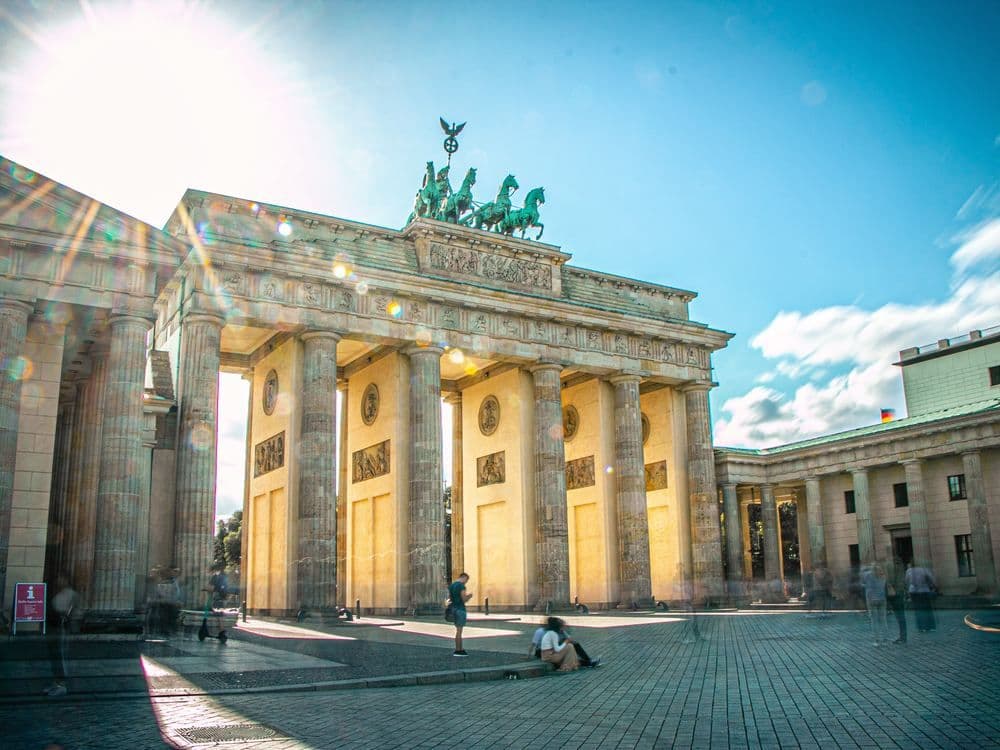
- Unlike Germany, central Barcelona is a designated tourist zone — most large shops and malls do open. Small neighbourhood shops usually don't. Markets mostly close.
- Tap water
- Safe to drink, but heavily mineralised and not pleasant. Most locals buy bottled.
- Museum Mondays
- Many museums — Picasso and MACBA included — close on Mondays . If Monday is one of your days, front-load the outdoor sights instead.