- Currency
- Euro (€). Cards are accepted almost everywhere; bacari counters sometimes prefer cash for a €1.50 glass.
- Emergency
- 112 for everything.
- Access fee
- Venice charges day visitors an entry fee on peak days, booked online in advance, with a QR code that can be checked at the station and main entry points. Overnight guests are exempt but still need to register through their accommodation. Check the official city site for this year's dates before you travel — the rules change annually.
- Getting around
- The vaporetto is the bus. Single tickets are expensive (around €9.50), so if you will make more than two trips buy a 24/48/72-hour pass. Validate every time you board. Walking is usually faster than the boat for anything inside the main islands.
- Airport transfer
- Marco Polo has no train station — this is the one city here where the airport connection isn't rail at all. An ACTV public or ATVO express bus covers the mainland stretch to Piazzale Roma in 20-25 minutes (around €10), and Piazzale Roma is where cars and buses stop and the vaporetto (water bus) takes over for the rest of the way in. The Alilaguna water bus runs directly from the airport dock into the canals — closer to your hotel if it's not near Piazzale Roma, but a slower and pricier way to arrive, around an hour and €15-18.
- Tipping
- Not expected. Check for coperto (cover charge per person) and any servizio already added — both must be on the menu.
- Meal times
- Lunch 12:00–14:30 , dinner from 19:00 . Venice eats and closes earlier than Rome; many kitchens stop by 22:00 and bacari often shut 14:00–16:00.
- Sundays & Mondays
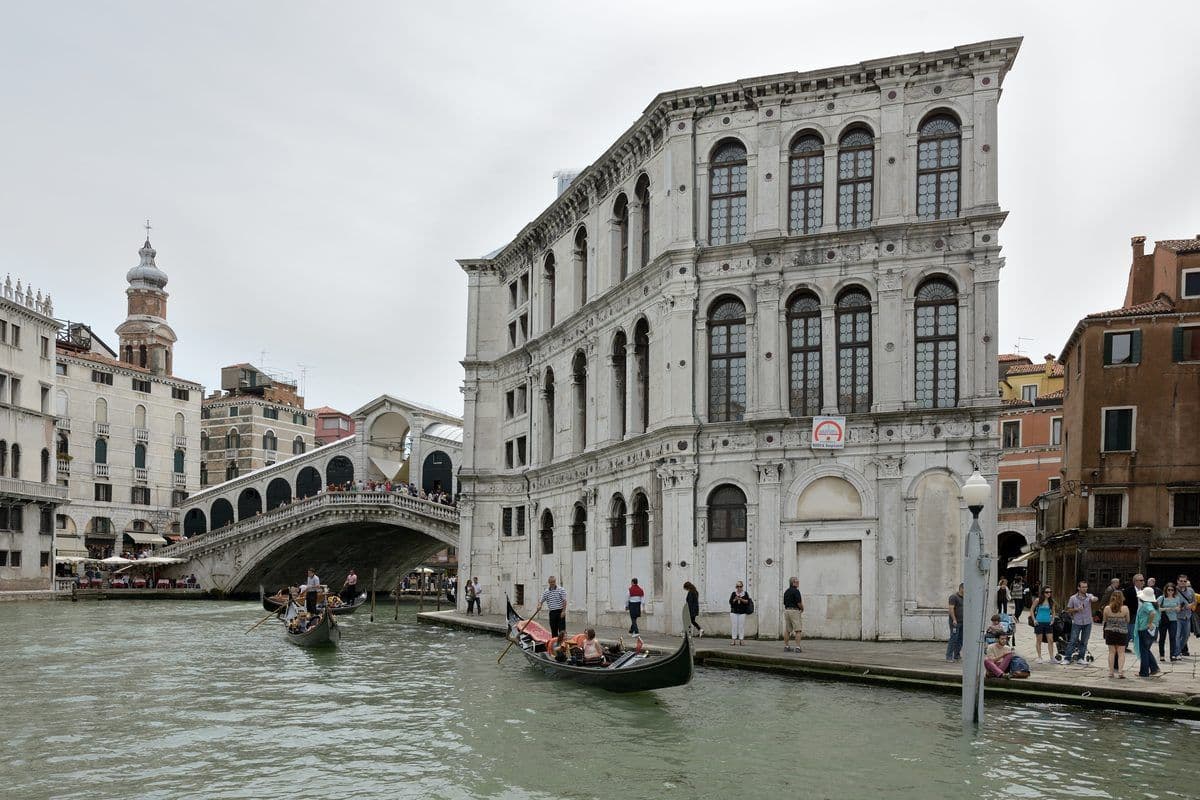
- The catch that ruins itineraries: the Rialto market is closed Sundays (fish hall also Mondays), several of the best bacari close Sundays entirely, and the Accademia closes at 14:00 on Mondays.
- Toilets
- Public toilets cost about €1.50 and there are few of them. Most bacari have none at all. Museums you have paid to enter are the reliable option — use them when you have the chance.
- Dress code
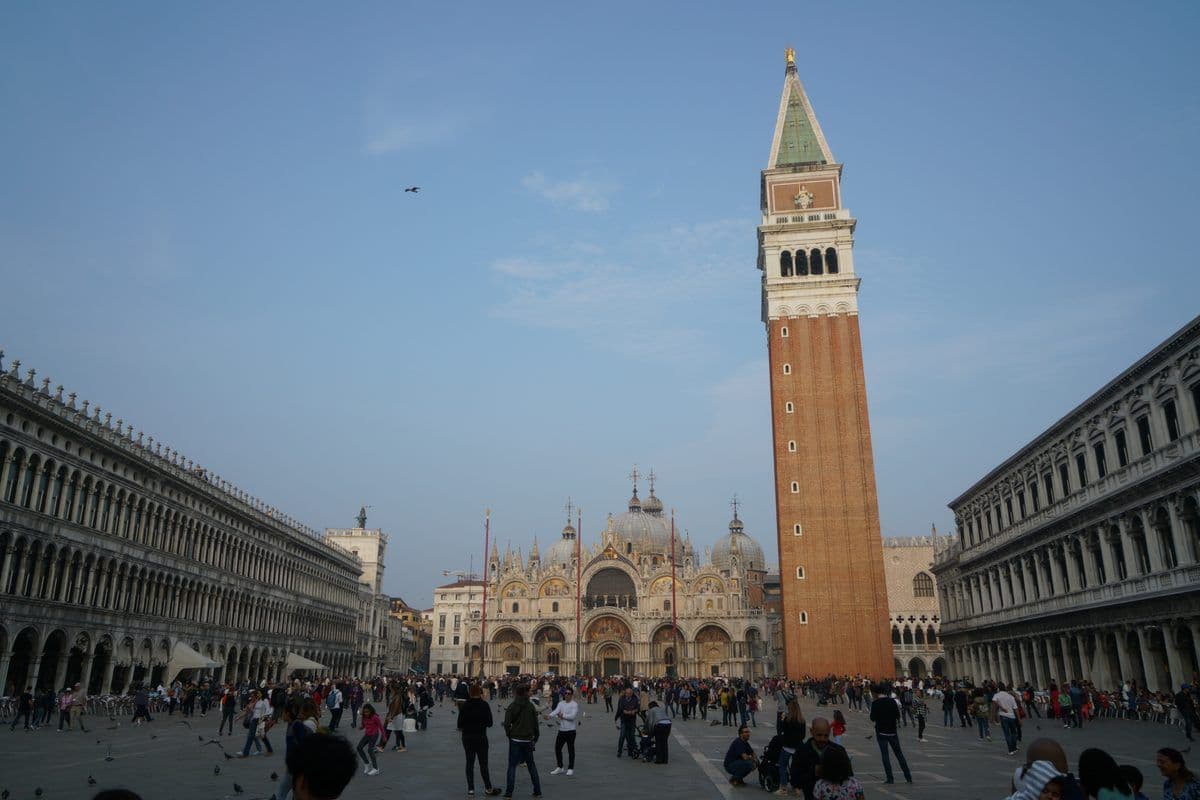
- Churches, including St Mark's, require shoulders and knees covered, and it is enforced at the door.
- Acqua alta
- High water mainly from autumn to early spring. The city posts forecasts and puts out raised walkways; the sirens sound a few hours ahead. Bring waterproof shoes in November rather than buying plastic overshoes at four times the price.
- Luggage
- There are no cars, and bridges have steps. A heavy wheeled suitcase over fifteen bridges is a genuinely miserable arrival — pack lighter than you would elsewhere.
- Tap water
- Safe and good, from the street fountains too. Bring a bottle.