

The surprises that cost the most time in European cities are small and predictable: a closing day, a missing booking, a new fee. A few of them, explained, and where to find the rest for your city.
The short answer: in Europe's big cities, the problems that cost the most time are rarely exotic. A museum is closed on the one day you have, a ticket needed booking weeks ago, or the route crosses the city three times before lunch. None of this is hard to avoid. It is just different in every city.
This piece covers a handful of those points, not all of them. The complete picture for each city, from arrival and where to stay to passes, food and the best season, sits on MEVAYA's city pages, checked against official sources by our editors.
Closing days are not the same everywhere
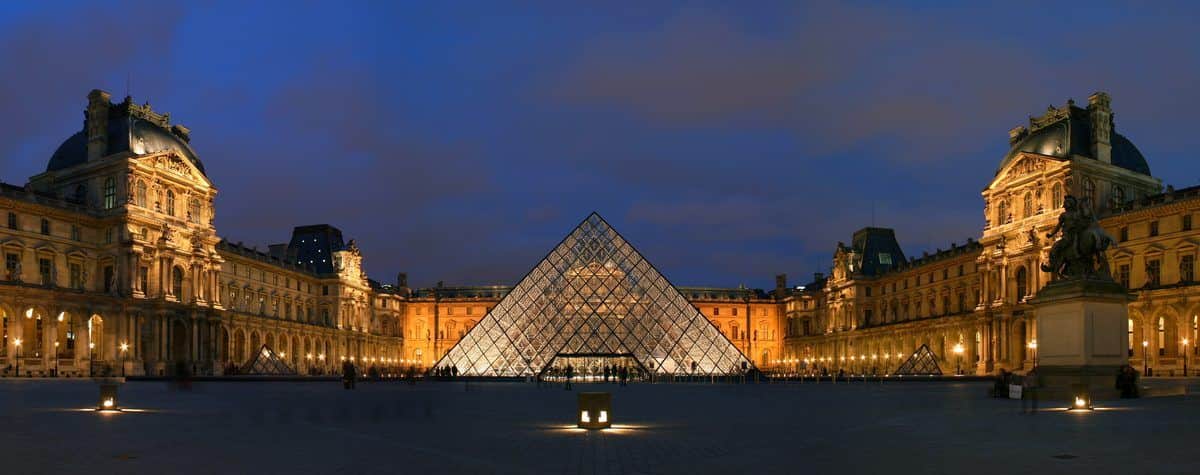
Europe does not share a weekly day off. In Paris, the Louvre and the Orangerie close on Tuesdays, while the Musée d'Orsay, the Musée Rodin, Carnavalet and Cluny close on Mondays. In Barcelona, Monday is the museum day off: the Picasso Museum, the MNAC, the Fundació Miró and MUHBA all close. In Rome, the Vatican Museums close on Sundays, except on the last Sunday of the month.
The consequence is simple and easy to miss: the same weekday can be ideal in one city and empty in the next. Check the weekday before you plan the day, not after you have queued for it.
Already know where you're going?
Open the planner and pick your city and date. It checks closing days for you and builds the day around what is actually open, with an arrival time at every stop.
Some tickets need a booking, and some need your name
More of Europe's major sights now work with timed or named tickets. At Rome's Colosseum, tickets carry the visitor's name and are checked against an ID at the entrance, so a ticket bought in someone else's name is a ticket nobody can use. The Galleria Borghese in Rome admits visitors only with a reservation, in two-hour slots. In Berlin, the Reichstag dome needs a free registration made in advance.
Turning up and hoping still works for parks, piazzas and most churches. For the headline sights, it mostly works as a way to see the queue.
A practical rule: book the one or two sights your trip is built around first, then plan the rest of the day around those slots.
Crowded places increasingly charge for access
Two examples from Italy show the direction. Venice charges day visitors an access fee on set days, and the calendar is decided each year; people staying overnight in the municipality are exempt but must register. Since 2 February 2026, going down to the basin of Rome's Trevi Fountain needs a ticket during the day, while the fountain stays free to see after the basin closes at 22:00.
Rules like these change more often than guidebooks do. Check them for the year you travel, ideally on the city's official website.
Still choosing a city?
Start with the city guides. Each one bundles what matters before you book: how many days you need, how to arrive, where to stay, which passes pay off, what to eat and when to go.
Plan by neighbourhood, not by wish list
The Vatican Museums easily take several hours. Putting the Colosseum straight afterwards means crossing Rome in the middle of the day, and Rome has enough walking already.
The fix is to group sights that sit close together and give each part of the city its own block of the day. A shorter list in the right order beats a longer one that spends half its time in transit.
Free entry is often hiding in plain sight
In London, the British Museum, the National Gallery and Tate Modern are free to enter. In Italy, state museums and archaeological sites, including the Colosseum and the Pantheon, are free on the first Sunday of every month, though some, like the Galleria Borghese, still require a reservation. The Vatican Museums are free on the last Sunday of the month, from 09:00 to 14:00.
Free days come with a catch: everyone else knows about them too. They suit a relaxed itinerary better than a tight one.
Let the planner do the checking
Closing days, booking rules and free days are already part of every MEVAYA plan. Choose a city and get a concrete day you can actually walk.
Famous does not mean open
Some well-known sights are simply closed for a while. Munich's Olympiaturm has been closed for renovation since June 2024, with reopening expected from October 2027. In Istanbul, Hagia Sophia, the Blue Mosque and the Süleymaniye are working mosques that close to visitors during each of the five daily prayers, for about half an hour at a time.
Neither is a reason to skip the city. Both are reasons to know before you go rather than at the entrance.
Everything else is on the city pages
This list leaves out more than it covers, on purpose: how to get in from the airport, which district suits which trip, which city passes pay off, what to eat and when, which season fits. Our editors have bundled all of it for each of MEVAYA's ten cities on the city pages, checked against official sources.
From here there are two good ways on. If you already know your city, open the planner, enter your date and get a concrete day with arrival times, closing days and booking notes in a few minutes. If you are still deciding, start with the city guides, and come back to the planner once one of them has won.
Quick questions
What should I check before a city trip in Europe?
The closing days of the sights you care about, whether they need a timed or named ticket, any access fees or local rules for the year you travel, and how the sights group by neighbourhood. MEVAYA's city pages bundle these points for each city.
Which days are museums closed in Paris?
The Louvre and the Orangerie close on Tuesdays. The Musée d'Orsay, the Musée Rodin, Carnavalet and Cluny close on Mondays.
Do Colosseum tickets have to be in my name?
Yes. Colosseum tickets are named, and the name is checked against an ID at the entrance. On the first Sunday of the month entry is free: tickets are handed out at the ticket offices on the day, first come first served, with no online booking, according to the Parco archeologico del Colosseo (page of 18 March 2025, checked on 7 October 2026).
Plan your city, or compare first
Pick a city in the planner and leave with a concrete plan and the information that goes with it, or browse the city guides first and decide in your own time.