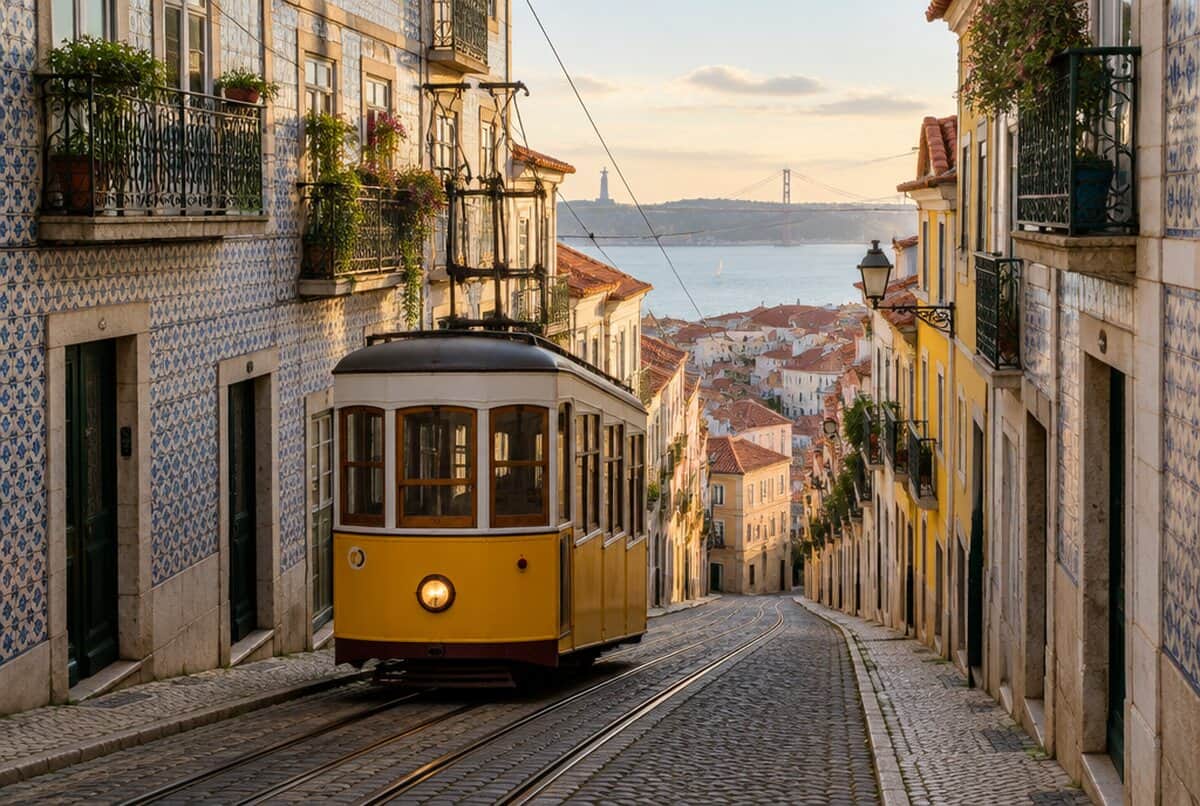
Lisbon city view

Lisbon Travel Guide & Trip Planner

Hills, tiles and a river that behaves like a sea

Portugal · 33 stops · Metro / tram / funicular

What Lisbon is actually like

Lisbon is built on hills the map does not show, and that is the first thing to plan around: two stops 400 metres apart can be a twenty-minute climb. The old quarters reward slow walking and early starts; Belém, a tram ride west, holds the great monuments and needs its own half-day. Evenings run late and outdoors, on viewpoints, terraces and along the river.

How we check the hours behind this route

MiradourosBelém monumentsFado evenings
Plan a day in Lisbon

The 3 top stops

Ad link · we may earn a commission — the price stays the same for you

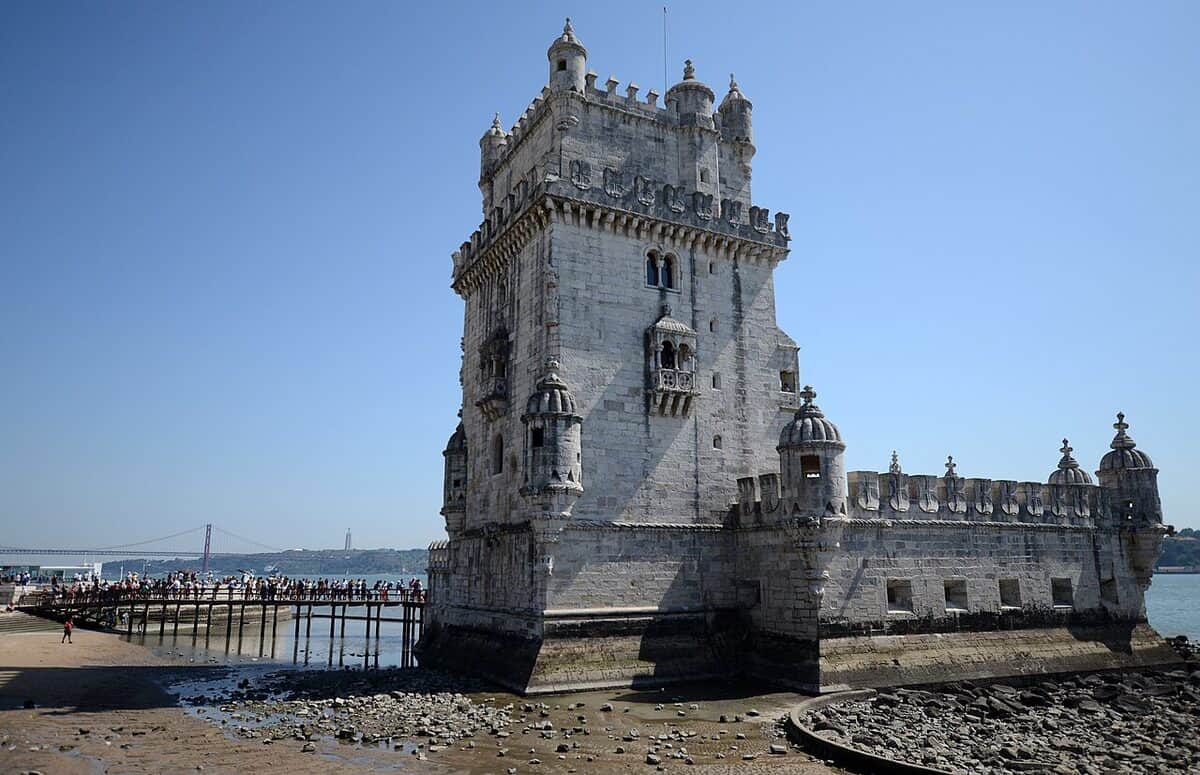
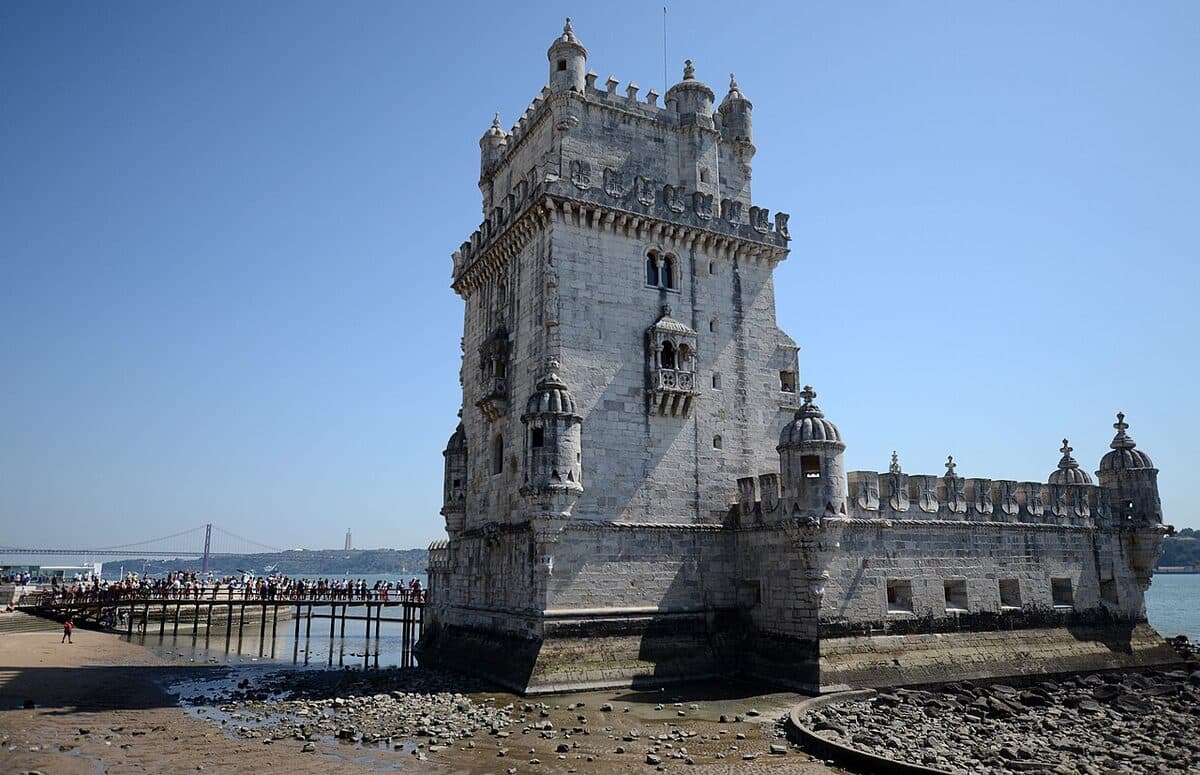
Belém Tower on the bank of the Tagus at low tide

Belém Tower

The 16th-century fortress that once guarded the mouth of the Tagus, now standing at the water's edge after the river moved. The outside is the photograph; inside is a narrow spiral staircase on a one-way timer, and the rooms themselves are small and mostly bare.

≈ 45 min

Tuesday to Sunday 09:30–17:30

Last verified: 31 Oct 2026Primary source: Museus e Monumentos de Portugal — Belém TowerMEVAYA dataset: Lisbon, 33 stops

♿ Accessibility: NOT wheelchair accessible: the interior is reached only by a narrow spiral staircase. The riverside promenade outside is level.

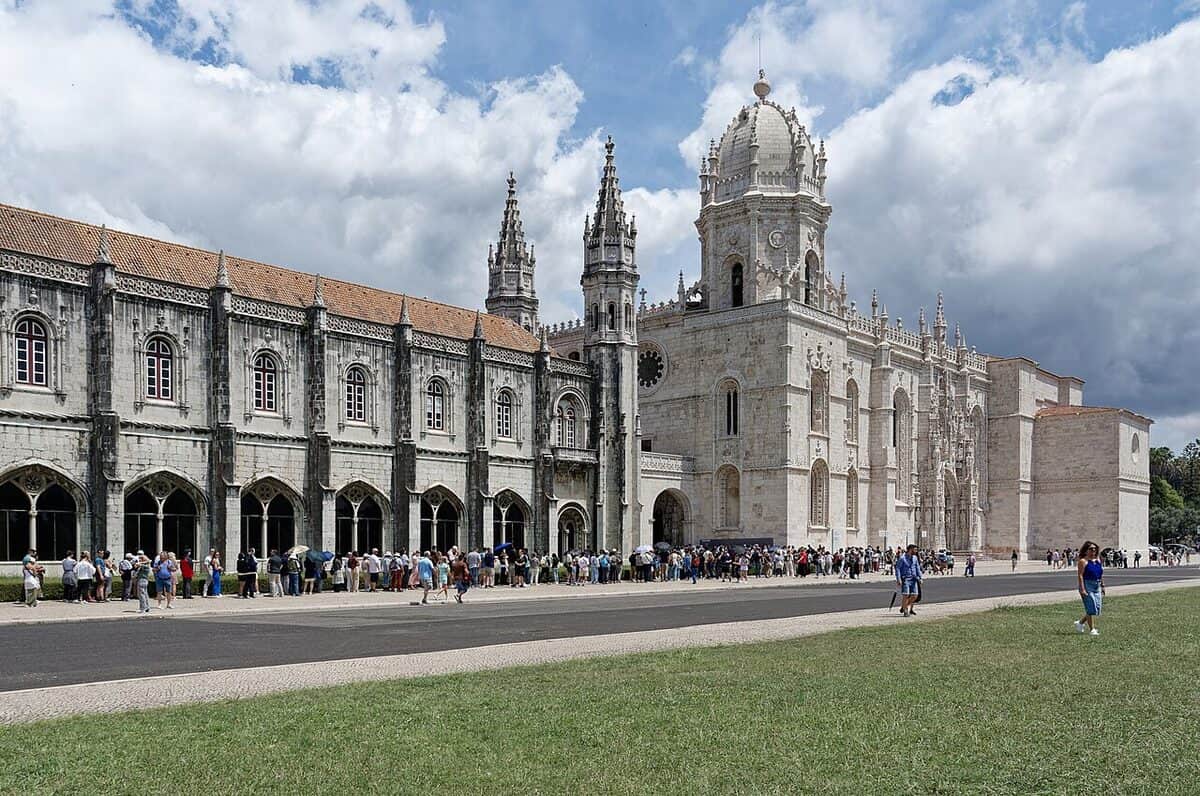
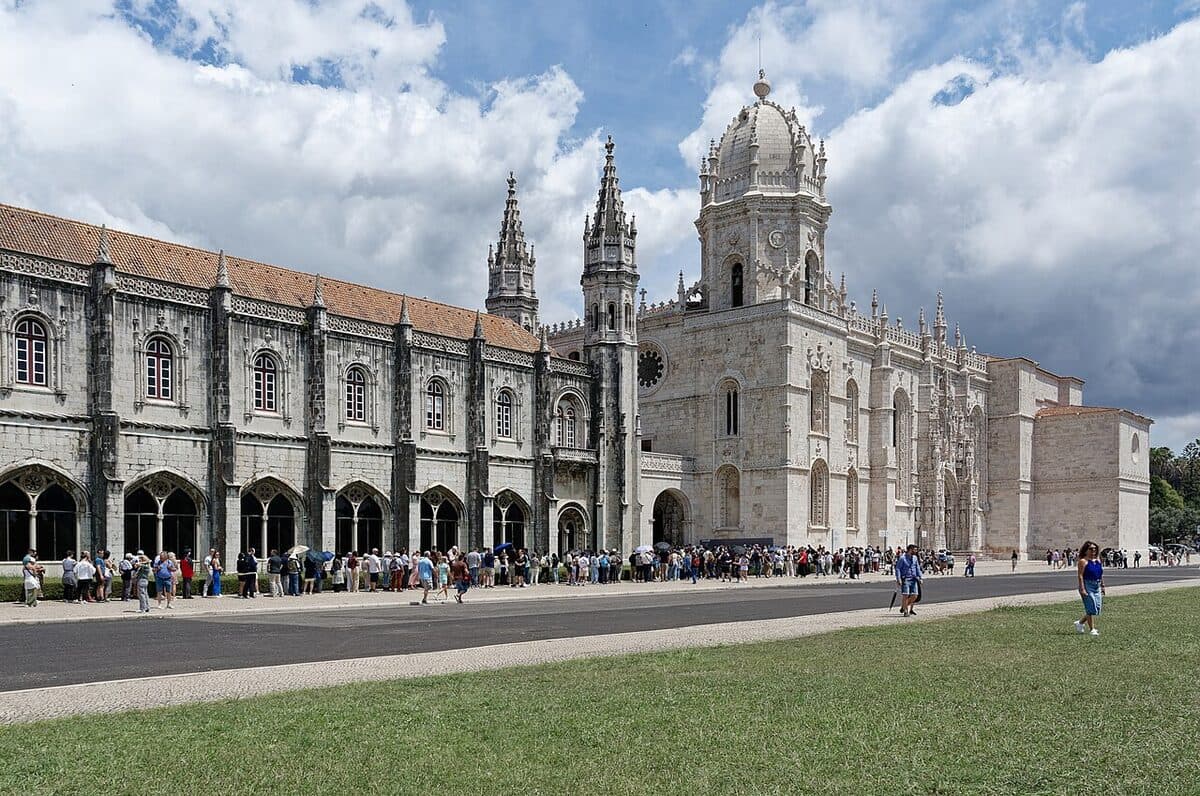
The long limestone facade of the Jerónimos Monastery with its church tower

Jerónimos Monastery

The finest Manueline building in Portugal, paid for with the spice trade and finished with rope, coral and sea-creature carving in pale limestone. The church, with Vasco da Gama's tomb, is free; the double-storey cloister is the ticketed part and the real reason to come.

≈ 75 min

Cloister Tuesday to Sunday 09:30–17:30 (last entry 17:00). Church Tuesday to Saturday 10:30–17:00; Sundays and religious holidays 14:00–17:00

Last verified: 31 Oct 2026Primary source: Museus e Monumentos de Portugal — Jerónimos MonasteryMEVAYA dataset: Lisbon, 33 stops

♿ Accessibility: The church and the ground floor of the cloister are step-free; the upper cloister gallery is reached by stairs.

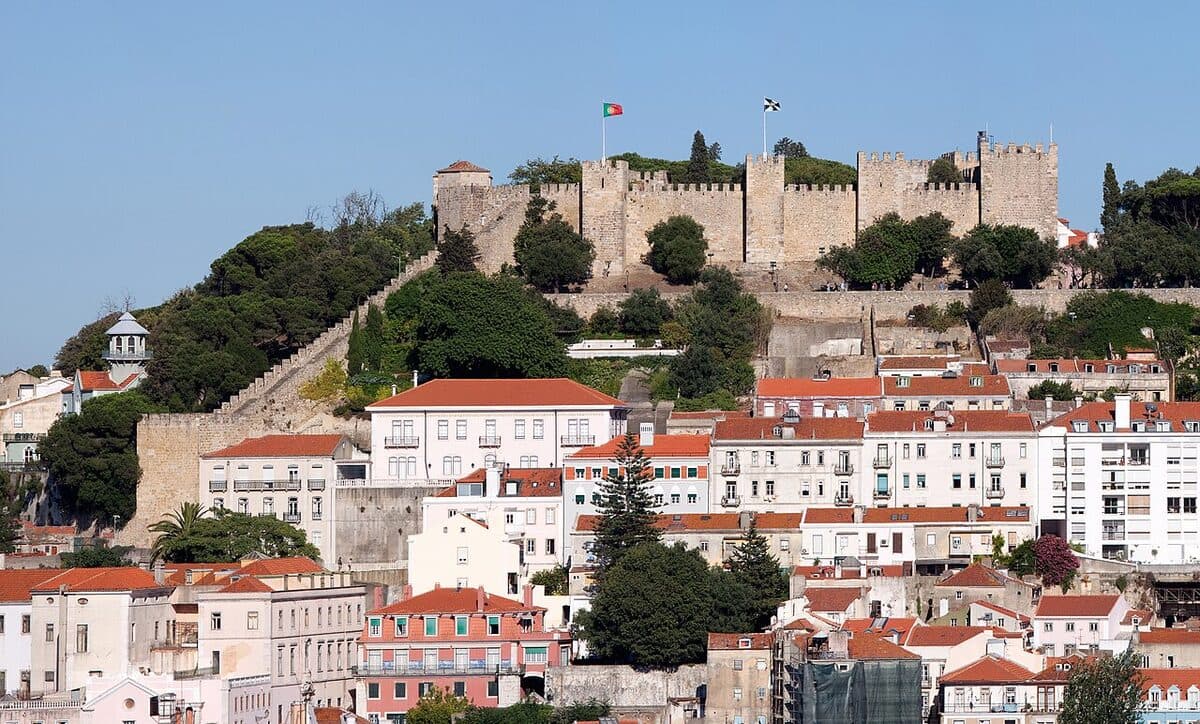
The walls of São Jorge Castle above the Alfama rooftops

São Jorge Castle

Moorish walls and a hilltop terrace with the widest view in the centre: the Baixa grid, the river and the bridge laid out below. The castle itself is mostly ramparts and gardens; you come for the walls and the panorama.

≈ 80 min

1 November to end of February daily 09:00–18:00 (last admission 17:30); 1 March to 31 October daily 09:00–21:00 (last admission 20:30)

Last verified: 31 Oct 2026Primary source: Castelo de São Jorge — schedulesMEVAYA dataset: Lisbon, 33 stops

♿ Accessibility: Partially accessible: the main terrace and gardens are level but cobbled; the walls and towers are stairs only.

Before you go

Currency
Euro (€). Cards work in most places, but small tascas and kiosks can be cash only. Use the bank-run Multibanco machines; the independent ATMs in the tourist streets charge heavily for the same withdrawal.
Emergency
112 for everything.
Time zone
WET / WEST, the same as London and one hour behind Madrid, Paris and Berlin.
Power
Type C/F sockets, 230V, the same as most of continental Europe.
Language
Portuguese. English is widely spoken in the centre. Do not open in Spanish; a plain "Bom dia" and "Obrigado" ("Obrigada" if you are a woman) is better received.
Getting around
Metro, trams, buses and the funiculars share one rechargeable card, and the 24-hour pass covers the Santa Justa Lift and the funiculars too. The real constraint is the terrain: the centre is built on steep hills with polished limestone pavements, so plan routes downhill where you can and wear shoes with grip, especially after rain.
Airport transfer
The red Metro line starts at the airport; change at Alameda (green line) or São Sebastião (blue line) for the centre, about 25 to 35 minutes in all. Taxis wait outside Arrivals and run on the meter.
Tipping
Not expected. Rounding up, or about 5–10% for good table service, is plenty.
Couvert
Bread, olives, butter and cheese placed on the table before you order are charged if you eat them. Send them back if you do not want them; that is normal and nobody is offended.
Meal times
Lunch 12:30–15:00, dinner from about 19:30. Many traditional tascas close on Sundays.
Closing days
Monday is the problem day: Belém Tower, the Jerónimos Monastery, the National Museum of Ancient Art and the National Pantheon are all closed. The Gulbenkian and MAAT close on Tuesdays instead.
Tap water
Safe to drink, and free on request in restaurants.

And the quieter ones

The stops that rarely make a top-ten list but consistently make a better day.

  • Miradouro da Senhora do Monte

    The highest viewpoint in the old city, above Graça, facing the castle, the Baixa and the river all at once. It is a steep climb or a short tram ride, which is why it stays calmer than the viewpoints lower down.

  • Carmo Convent

    The Gothic church whose roof fell in during the 1755 earthquake and was deliberately never replaced. The nave arches stand open to the sky; the apse holds a small archaeological museum with Peruvian mummies among its odder pieces.

  • Calouste Gulbenkian Museum

    An oil magnate's private collection, from Egyptian sculpture to Lalique jewellery, shown in a 1960s building inside one of the best modern gardens in Europe. Small enough to see properly in two hours, and never overrun.

  • Príncipe Real

    An elegant hilltop neighbourhood of 19th-century mansions turned concept stores, around a garden with a giant cedar trained into a shade canopy. Embaixada, a Moorish-revival palace full of Portuguese design shops, is the centrepiece.

There are 26 more curated stops in Lisbon.

We don't list them all here — it would read like a phone book. Open the planner and use the stop dropdown to browse every one of the 33 stops with its full detail: hours, closed days, typical visit length, booking lead time and what to know before you go. Mark any of them essential and the route builds around your choice.

Browse all 33 stops

A day MEVAYA would actually plan

One example, for Saturday, November 28

This is genuine planner output — a couple, a balanced pace, fixed defaults — not a hand-written itinerary. Your own dates, pace and interests will produce a different day.

Free to view · no account needed
  1. 1

    09:00

    Praça do Comércio

    35 min

  2. 2

    09:53

    Miradouro de Santa Luzia

    33 min

  3. 3

    10:42

    National Pantheon

    52 min

  4. 4

    11:55

    Lisbon Cathedral

    40 min

  5. 5

    12:52

    Carmo Convent

    52 min

  6. M

    13:52

    Carmo

    60 min

  7. 6

    15:03

    Rossio

    29 min

  8. 7

    15:45

    Tram 28

    52 min

  9. 8

    16:55

    Alfama

    104 min

  1. 1 · Praça do Comércio
  2. 2 · Miradouro de Santa Luzia
  3. 3 · National Pantheon
  4. 4 · Lisbon Cathedral
  5. 5 · Carmo Convent
  6. M · Carmo
  7. 6 · Rossio
  8. 7 · Tram 28
  9. 8 · Alfama
Interactive map · OpenStreetMap · stop order

Score 96/100 · 9 stops · built from the city guide — pick your own date and this changes.

Plan your own dates

What to book before you fly

The stops where turning up on the day genuinely doesn't work.

  • Jerónimos Monastery cloister

    1–7 days

    Buying the cloister ticket online moves you from the long ticket queue to the shorter entry queue. The church next door is free and needs no ticket.

  • Belém Tower

    1–7 days

    Visitor numbers inside are capped and the interior is one narrow staircase. Book a morning slot and pair it with the monastery the same day; both close on Mondays.

  • Lisbon Oceanarium

    1–3 days

    Weekends and school holidays sell out by late morning. The online ticket is timed and slightly cheaper earlier in the day.

  • Fado houses

    2–7 days

    The good small houses fill on Fridays and Saturdays. A booked table also avoids the places with touts at the door.

Ad link · we may earn a commission — the price stays the same for you

Worth knowing on the ground

The things that catch people out in Lisbon specifically.

Lisbon is safe — watch the tram and the street dealers

Violent crime against visitors is rare. The two things to know are both small. Tram 28 and the crowded viewpoints are where pickpockets work: keep bags in front and phones in a zipped pocket when it is packed. Around Rossio and the Baixa, men quietly offering "hashish" or "cocaine" are selling bay leaves or flour; ignore them and keep walking. Restaurant touts on Rua Augusta and in the Alfama tend to steer you towards fixed tourist menus; the places one street back are usually better and cheaper.

Two warning colours, two meanings

Rip-off — you're being overcharged or worked. Overrated — nobody is cheating you, but the reality regularly disappoints.

Toilets

Public toilets are scarce and the hills make a detour expensive. Museums, shopping centres, larger cafés and the stations are the reliable fallback points.

Before you plan

Planning Lisbon: the practical part

How long to stay, how to get in, where to sleep and which dates change things — the decisions that come before the route.

How many days

Three days covers Lisbon properly; the hills, not the distances, are what slow it down. Two days means choosing between Belém and the museums.

1 day
The Baixa and the Alfama on foot: Praça do Comércio, the cathedral, Santa Luzia and São Jorge Castle, then Chiado and a viewpoint at sunset.
2 days
Add Belém: the Jerónimos Monastery, Belém Tower and MAAT, with custard tarts in between. Not on a Monday, when the monuments close.
3 days
The Gulbenkian in the morning, then Príncipe Real, Bairro Alto and a fado evening in the Alfama.
4–5 days
Sintra for a full day, the Oceanarium and the riverside at Parque das Nações, or Cascais by train along the coast.
Book and check first
Monday closures at Belém, Tuesday closures at the Gulbenkian and MAAT, the Sintra palaces' timed slots and a weekend fado table.

Getting in and around

Lisbon's airport is unusually close to the centre, and the Metro starts at the terminal.

By plane
Humberto Delgado Airport is about 7 km from the centre. The red Metro line runs from the terminal; change at Alameda or São Sebastião.
Taxi and ride-hailing
Taxis run on the meter from the rank at Arrivals. Ride-hailing pick-ups are in the car park area.
By train
Long-distance trains from Porto arrive at Santa Apolónia and Oriente. Sintra trains leave from Rossio, Cascais trains from Cais do Sodré.
First move
Load the rechargeable transport card or a 24-hour pass at a Metro machine; it covers the trams, funiculars and the Santa Justa Lift too.

Check current details: lisbon-airport.com · metrolisboa.pt

Where to stay

Where you stay decides how many hills you climb each day. The flat Baixa is the easiest base; the views are higher up.

Baixa / Chiado
Flat, central and connected to everything. The easiest base for a first visit and for anyone who does not want to climb.
Alfama / Graça
Atmospheric, quiet at night outside the fado streets, and steep. Taxis struggle in the narrow lanes.
Príncipe Real
Elegant, calmer and close to the Bairro Alto without its noise. A climb from the Baixa.
Avenida da Liberdade / Marquês
Larger hotels, good Metro links and an easy route to the Gulbenkian.
Cais do Sodré
By the river and the trains to Cascais and Belém. Lively, sometimes loud, late.

City passes

Most of Lisbon is free to look at; the passes pay off only if you ride a lot and stack museums.

Already free
The viewpoints, the squares, the Alfama, the Gulbenkian garden, the MAAT roof walkway and the church of the Jerónimos Monastery cost nothing.
Lisboa Card
Unlimited public transport, including the train to Belém and Sintra, plus free or reduced entry to many monuments. Worth it for a packed Belém day.
24-hour transport pass
Covers the Metro, buses, trams, funiculars and the Santa Justa Lift for 24 hours from first use.
Rechargeable card
Pay-as-you-go credit on the same card works out cheaper if you mostly walk.

Check current details: visitlisboa.com

Eating on the route

Lisbon eats on Southern European time: lunch from 12:30, dinner from about 19:30, and many tascas close on Sundays.

Tascas
Small family restaurants with a handwritten menu of the day: grilled sardines in summer, bacalhau, bifanas. Cash is useful.
Seafood
Beer halls such as Cervejaria Ramiro sell prawns, clams and crab by weight. No reservations, so expect a queue.
Pastelarias
Custard tarts warm from the oven at Pastéis de Belém or Manteigaria, with a bica (espresso) standing at the counter.
Couvert
Bread, olives and cheese placed on the table are charged if eaten. Send them back if you do not want them.
Markets
The Time Out Market for a convenient lunch; the produce half of the same hall in the morning for the real market.

Seasons and dates that matter

Lisbon works all year; summer is hot and crowded, winter mild and wet, and June belongs to the saints' festivals.

Spring (March–May)
Mild, green and the best walking weather. Easter week is busy.
Summer (June–August)
The Santos Populares fill June with sardine grills and street parties, peaking on the night of 12 June. July and August are hot, and the beaches along the Cascais line fill.
Autumn (September–November)
Warm into October, with fewer crowds and the sea still swimmable in September.
Winter (December–February)
Mild but rainy; the polished pavements get slippery. Museums and cafés carry the days.
Mondays
The Belém monuments and several national museums are closed. Plan Belém for another day.

Lisbon: common questions

Answered from our own September 2026 verification pass.

How many days do you need in Lisbon?

Three days covers the city properly: one for the Baixa, the Alfama and the castle, one for Belém and its monuments, and one for the Gulbenkian, the riverside and a fado evening. Lisbon's hills make each walk slower than the map suggests, so two days means choosing. A fourth day is best spent on Sintra.

Which Lisbon sights are closed on Mondays?

Belém Tower, the Jerónimos Monastery, the National Museum of Ancient Art and the National Pantheon all close on Mondays. The Gulbenkian and MAAT close on Tuesdays instead, so Monday is a good day for the Gulbenkian, the viewpoints and the Oceanarium.

Is Tram 28 worth it?

As transport early in the morning, yes: it climbs through Graça, the Alfama and Estrela on tracks barely wider than the street. From mid-morning the queue at Martim Moniz can take an hour and the car is packed, which is also when pickpockets work it. Board early at a middle stop, or walk the route and take the tram for the steep parts.

Do you need to book the Jerónimos Monastery?

Not strictly, but it helps. The church is free and needs no ticket. For the cloister, an online ticket moves you from the long ticket-office queue to the shorter entry queue, which matters from late morning. It is closed on Mondays.

What is the couvert in Lisbon restaurants?

The bread, olives, butter or cheese placed on the table before you order. It is not free: you pay for whatever you eat. Sending it back is normal and nobody takes offence.

Ready when you are

Turn Lisbon into a day that actually works.

Pick your date, pace and companions. MEVAYA sequences the stops around real opening hours, closed days and walking distances — buy your City Pass for full access.

Plan Lisbon

Several cities on one trip

Lisbon is one of thirteen cities MEVAYA plans. The Europe trip planner puts your whole route in order, gives each city its days and checks closing days on your dates.

Plan Lisbon with other cities in the Europe trip planner

By direct train from Lisbon

Our table has no direct train between Lisbon and the other MEVAYA cities.