Rome city view

Rome

Two thousand years, stacked and still in use

Italy · 41 stops · Metro / tram / bus

What Rome is actually like

Rome doesn't separate its eras — a 12th-century church sits on a 4th-century basilica on a Roman house, and all of it is still open. The centre is walkable but relentless underfoot, the heat is real, and the best-value hours are early morning and the long golden evening. Book the big three; improvise the rest.

Ancient coreLayered churchesTrastevere evenings
Plan a day in Rome

The 3 top stops

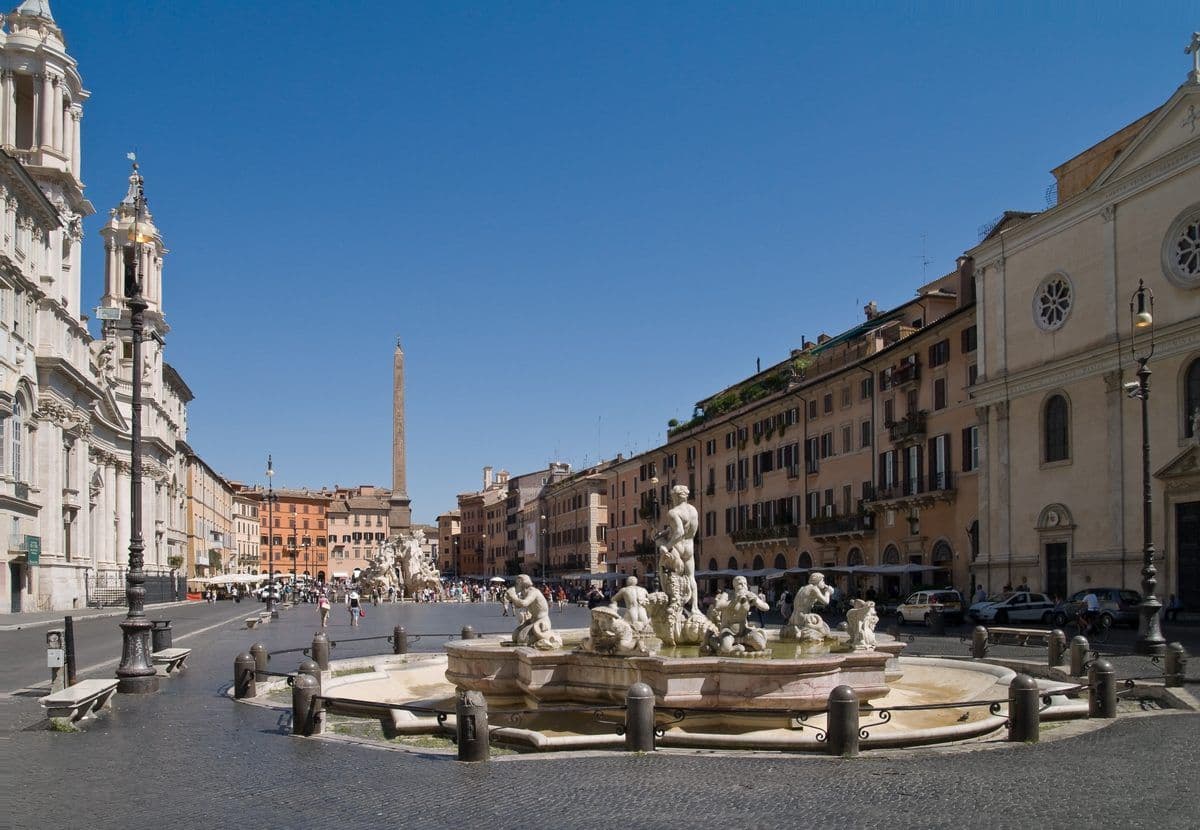
Piazza Navona

Built on the footprint of a Roman stadium, which is why it is shaped like a racetrack. Bernini’s Four Rivers fountain in the middle, baroque façades all around, free and open at every hour.

35 min· FreeTravel caution

Public open-air space — accessible at any time, no ticket

⚠ Worth knowing nearby: The restaurants directly on the piazza are a well-documented tourist trap — inflated prices for ordinary food, aimed at people who don't want to walk further. Campo de' Fiori, a few minutes away, has better food for less.

Colosseum

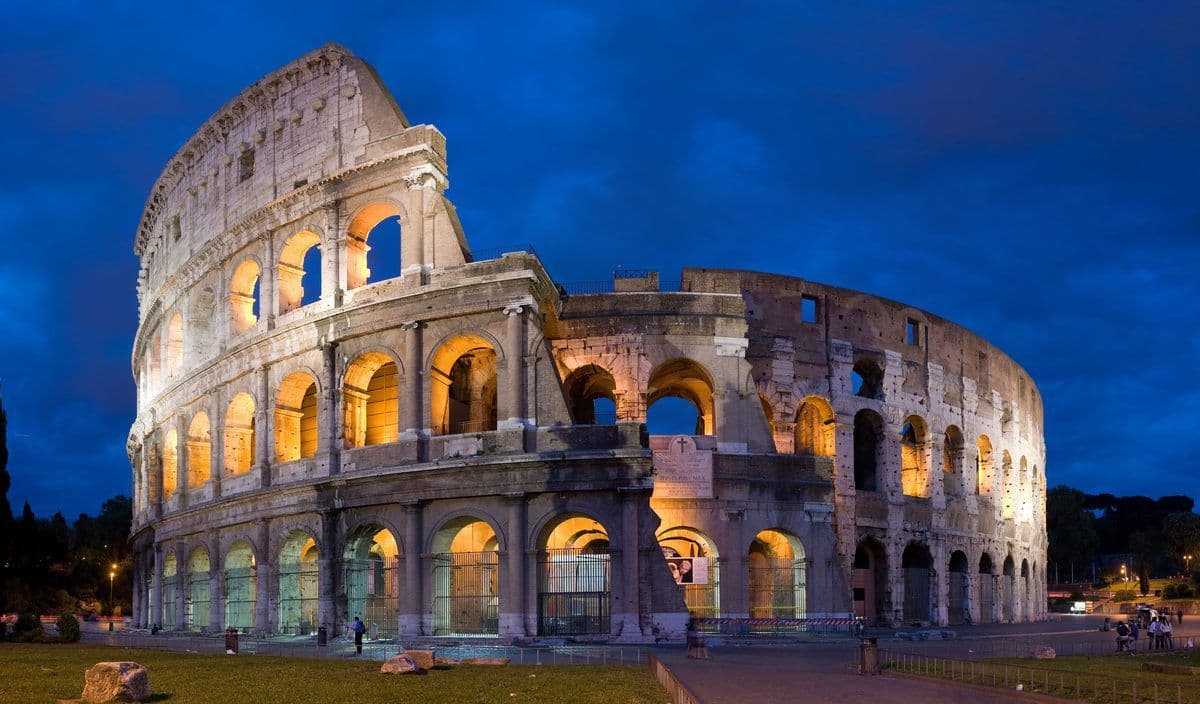
Fifty thousand spectators, eighty entrances, and a system for flooding the arena. The standard ticket is a combined one that also covers the Forum and Palatine across the road, valid over 24 hours.

90 minBOOK AHEADTravel caution

Daily 08:30–19:30 (varies seasonally, opens as early as 16:30 close in deep winter)

⚠ Worth knowing nearby: Booking opens exactly 30 days ahead and slots for popular times go fast — book the moment your date is 30 days out rather than waiting. Free entry on the first Sunday of the month, 2 June and 4 November (ticket office only, first-come-first-served on those days). Good Friday sees drastically cut hours (closes around 1pm) for the Pope's Way of the Cross — avoid booking that date if it falls in your trip. Costumed "gladiators" will pose for photos and then demand far more than a fair tip once the picture's taken — agree a price first or just decline. Separately, people without official badges sometimes offer to fold latecomers into a "skip the line" group tour at a steep markup; buy tickets only from the official site or a recognised vendor.

♿ Accessibility: Step-free main entrance with a ramp, flat interior and an elevator to the upper level, though some interior sections have steps. There are cobblestones outside the entrance.

Roman Forum & Palatine Hill

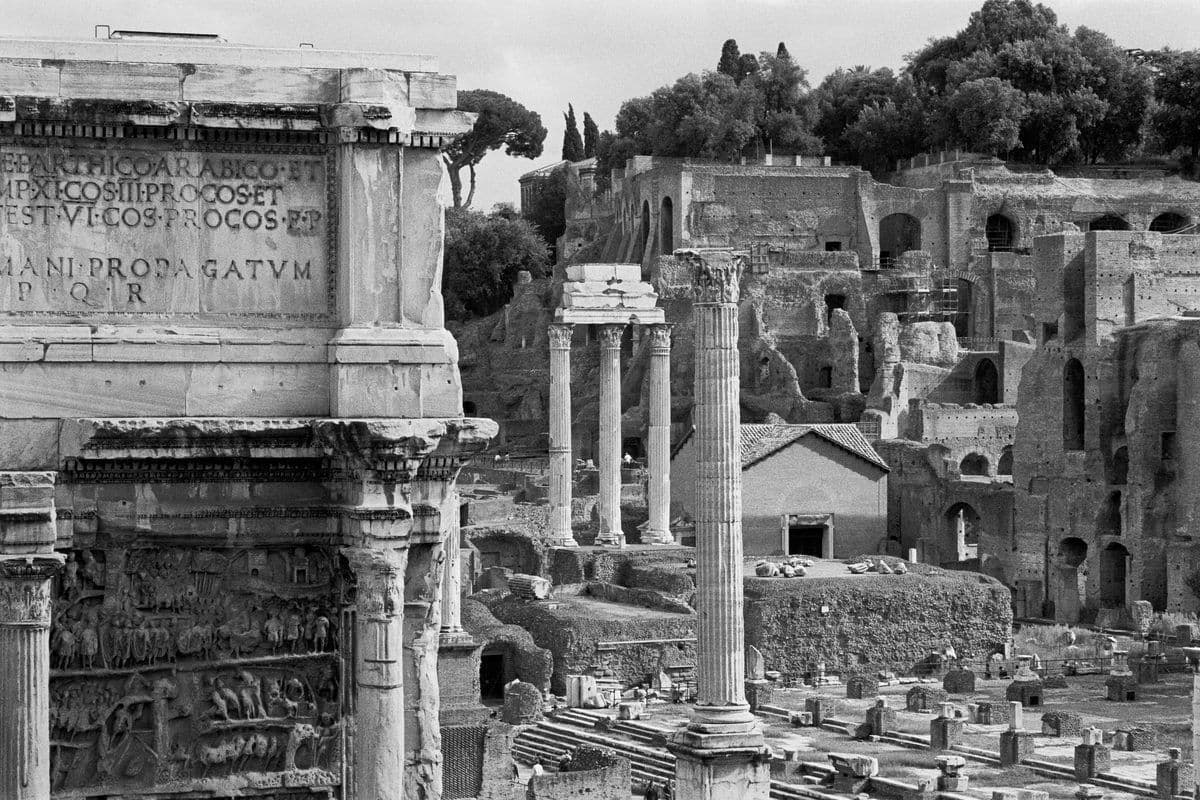
The civic centre of the ancient world, and the hill above it where the emperors actually lived. Bigger and less signposted than people expect — the Palatine side is consistently emptier and has the better views.

120 minBOOK AHEAD

Daily 08:30–19:30 (same seasonal pattern as the Colosseum, single combined ticket)

♿ Accessibility: An elevator at the entrance now provides access (previously a steep ramp), but much of the interior terrain is rough and only partially wheelchair-friendly.

Before you go

Currency
Euro (€). Cards work almost everywhere, though small trattorias and market stalls still prefer cash.
Emergency
112 for everything. English is understood.
Time zone
CET / CEST (UTC+1, +2 in summer) — same as Germany.
Power
Type C/F/L sockets, 230V. German plugs usually fit, but Italy also uses a three-pin round socket — a cheap universal adapter saves the argument.
Language
Italian. English is fine in the centre. "Buongiorno" on entering and "permesso" when squeezing past both go a long way.
Getting around
The historic centre is walkable end to end and the metro has only three lines — because they hit ruins every time they dig. Buses and trams fill the gaps; validate your ticket as you board.
Airport transfer
The Leonardo Express is a nonstop train from Fiumicino straight to Termini: 32 minutes, €14, every 15-30 minutes, first/last trains around 06:00/23:20. The FR1 regional line is cheaper (around €8) but stops along the way, takes 45-60 minutes and doesn't reach Termini directly — you'd change at Trastevere or Tiburtina. Worth knowing before booking a hotel near Termini specifically for the 'direct line' convenience.
Tipping
Not expected. Rounding up is plenty. Watch instead for coperto , a per-person cover charge of €1–3 that is legal and should be printed on the menu.
Meal times
Lunch 12:30–15:00 , dinner from 19:30 . Many kitchens close completely in between — a place serving full meals at 17:00 is aimed at tourists.
Coffee rules
Cappuccino before 11:00, espresso after. Standing at the bar costs a fraction of sitting at a table, and the price difference is printed on the wall.
Drinking water
Rome has around 2,500 nasoni — cast-iron street fountains running cold, safe drinking water all day. Bring a bottle and never buy water again.
Dress code
Churches, including St Peter's, require shoulders and knees covered — for everyone, and it is enforced at the door. A light scarf in your bag solves it.
Sitting rules
Sitting on the Spanish Steps, eating on monument steps, or wading in fountains all carry real fines. Officers do issue them.

And the quieter ones

The stops that rarely make a top-ten list but consistently make a better day.

  • The Aventine Keyhole

    Look through the keyhole of the Knights of Malta gate and the dome of St Peter’s appears perfectly framed at the end of a hedge tunnel, in another country, a kilometre and a half away. Free, and one of the few genuinely secret things left in Rome.

  • Gianicolo terrace

    The hill above Trastevere with the widest view over the historic centre — every dome and rooftop laid out at once. Free, never crowded, and a cannon is fired here at noon every day.

  • Baths of Caracalla

    Imperial baths for 1,600 people at a time, with walls still standing thirty metres high and mosaic floors underfoot. Ten minutes from the Colosseum and a fraction of the visitors.

  • Appian Way

    The road that carried Roman legions south, still paved with its original basalt slabs and lined with tombs and umbrella pines. Closed to traffic on Sundays, when it becomes the best walk or cycle in the city.

There are 34 more curated stops in Rome.

We don't list them all here — it would read like a phone book. Open the planner and use the stop dropdown to browse every one of the 41 stops with its full detail: hours, closed days, typical visit length, booking lead time and what to know before you go. Mark any of them essential and the route builds around your choice.

Browse all 41 stops

A day MEVAYA would actually plan

One example, for Saturday, October 3

This is genuine planner output — a couple, a balanced pace, fixed defaults — not a hand-written itinerary. Your own dates, pace and interests will produce a different day.

Free to view · no account needed
  1. 1

    09:00

    Basilica di San Clemente

    69 min

  2. 2

    10:22

    Colosseum

    104 min

  3. 3

    12:21

    Villa Celimontana

    58 min

  4. M

    13:19

    Lunch break

    60 min

  5. 5

    14:37

    Baths of Caracalla

    78 min

  6. 6

    16:23

    The Aventine Keyhole

    29 min

  7. 7

    17:13

    Palazzo Massimo

    104 min

Interactive map · OpenStreetMap · stop order

Score 95/100 · 7 stops · built from the city guide — pick your own date and this changes.

Plan your own dates

What to book before you fly

The stops where turning up on the day genuinely doesn't work.

  • Colosseum + Forum + Palatine

    2–4 weeks

    One combined ticket covers all three over 24 hours. Timed entry for the Colosseum, and the good morning slots go first. Book on the official site only.

  • Vatican Museums

    3–6 weeks

    Without a booked slot the queue regularly runs over two hours. Free on the last Sunday of the month, which makes it the single worst day to go.

  • Galleria Borghese

    3–6 weeks

    Booking is mandatory , with a hard cap and two-hour slots. This one genuinely sells out.

  • Pantheon

    1–3 days

    Now ticketed for visitors. A small fee, and booking ahead skips the queue in the square.

Worth knowing on the ground

The things that catch people out in Rome specifically.

The scams — nearly all within 300m of the Colosseum or Trevi

The gladiators: costumed men outside the Colosseum invite you into a photo, then demand €20–50 per person, sometimes aggressively. They have been banned repeatedly and keep coming back. Do not start the photo. The bracelet: a man takes your wrist near the Colosseum or Trevi and starts tying a thread before you can pull away, then demands payment. Hands in pockets, keep walking. Menus without prices: restaurants directly facing the major sights, often with photographs of the food and a man outside inviting you in. Consumer groups have documented bills several times the going rate. If the menu has no prices, walk out. Fake tickets and "skip-the-line guides": people selling Colosseum entry outside the gates. Buy only from the official site or the ticket office. Taxi without the meter: from Fiumicino there is a fixed legal fare to the centre — agree it before setting off, use only the official white taxis, or take the Leonardo Express train. Short change: at kiosks and bars near the sights, count what comes back. It is common enough to be worth the two seconds.

Two warning colours, two meanings

Rip-off — you're being overcharged or worked. Overrated — nobody is cheating you, but the reality regularly disappoints.

Toilets

Use museums, larger attractions, stations and cafés as reliable fallback points.

Rome: common questions

Answered from our own September 2026 verification pass, not scraped from listings.

How far in advance should you book the Colosseum?

Booking opens exactly 30 days ahead and good morning slots go quickly, so book the moment your date enters the window. One combined ticket covers the Colosseum, Roman Forum and Palatine over 24 hours. Note that the Forum opens at 09:00, half an hour after the Colosseum, though both close at the same time.

Is the Galleria Borghese worth the booking hassle?

Yes, but understand the constraint: there are no door sales at all. Every visit is a strict two-hour timed slot capped at 360 people, and peak-season slots sell out three to four weeks ahead. This is the one Roman museum that genuinely runs out.

Which Rome sights are closed on Mondays?

Castel Sant'Angelo and the Galleria Borghese close Mondays. The Baths of Caracalla do not close but run much shorter hours (roughly 09:00–14:00), so a Monday morning still works there. The Capitoline Museums are open every day of the week.

Is the Pantheon still free?

No — it is now ticketed, and the price rose from €5 to €7 in July 2026. Entry is free on the first Sunday of the month, but that requires queuing for a paper ticket and is the busiest day of the month rather than a quiet bonus.

What is worth seeing near the Colosseum that most people miss?

The Basilica di San Clemente, three hundred metres away: a 12th-century church built over a 4th-century basilica built over a 1st-century Roman house and Mithraic temple, with an underground stream still running through the lowest level. The ground floor is free; the excavated levels need a booked ticket and are capped daily.

Ready when you are

Turn Rome into a day that actually works.

Pick your date, pace and companions. MEVAYA sequences the stops around real opening hours, closed days and walking distances — buy your City Pass for full access.

Plan Rome